

The profile that moves forward where others hesitate
In every organisation, certain profiles have a natural ability to charge ahead.
They make decisions quickly, dare to act amid uncertainty and move with an intensity that few people can sustain over time.
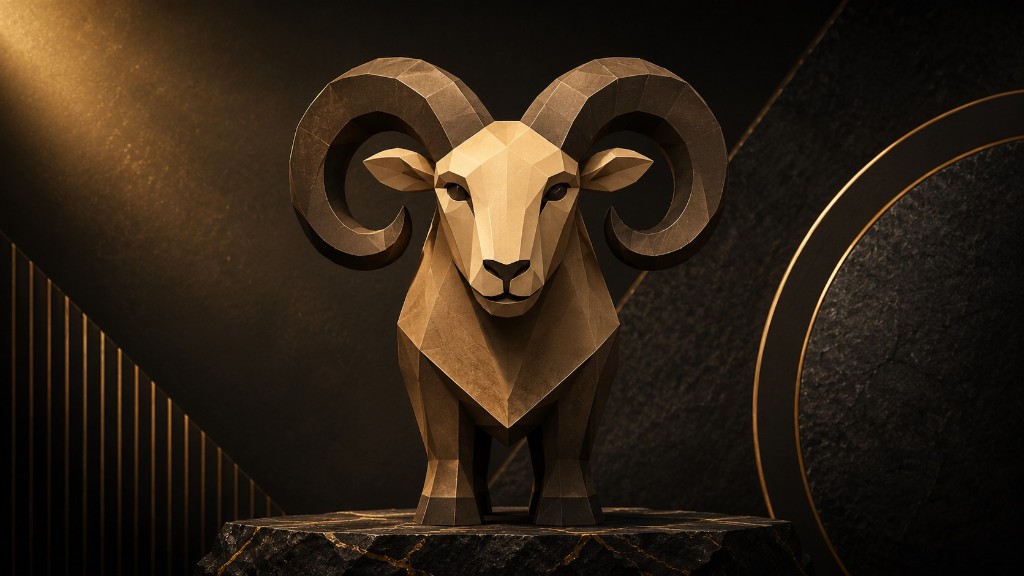
In the T8 method, this behaviour corresponds to the Ram.
The Ram is not necessarily the most diplomatic or the most cautious.
In competitive, demanding or high-pressure environments, however, it often becomes a powerful engine for action.
The T8 method: understanding human behaviour
The T8 method is a behavioural analysis method built around 8 major animal archetypes.
Each archetype represents a natural way of operating in:
- decision-making,
- stress management,
- conflict,
- performance,
- change,
- team dynamics.
Important:
In the T8 method, the animal represents only the behaviour.
It describes neither:
- deep motivations,
- psychological drivers,
- nor communication styles.
These dimensions are analysed separately within the method.
Here, then, the Ram describes a way of acting, deciding and performing.
The Ram’s behaviour
The Ram is a profile oriented towards:
- action,
- conquest,
- intensity,
- commitment,
- surpassing limits.
Its way of functioning rests mainly on:
- an appetite for risk,
- energy,
- perseverance,
- ambition,
- an impulse to act.
Unlike other profiles that analyse at length before acting, the Ram prefers to move quickly and adjust afterwards.
Its natural reflex:
act first, manage later.
How to recognise a Ram at work
The Ram is often the person who:
- dares to make decisions quickly,
- takes on difficult challenges,
- acts under pressure without freezing,
- enjoys competition,
- copes poorly with standing still,
- naturally pushes projects forward.
In meetings, they may:
- take a position quickly,
- strongly challenge certain ideas,
- look for immediate solutions,
- set the pace,
- push others to move into action fast.
Within organisations, the Ram often becomes:
- the trigger,
- the engine of execution,
- the profile who dares to move forward while others are still hesitating.
The Ram’s key strengths
A high capacity for action
The Ram acts fast.
Where some profiles remain stuck in analysis, the Ram prefers to:
- move forward,
- test,
- create momentum,
- take the initiative.
This dynamic becomes particularly effective in:
- sales environments,
- startups,
- crisis situations,
- competitive contexts,
- phases of rapid growth.
Strong resistance to pressure
The Ram copes relatively well with:
- tension,
- competition,
- uncertainty,
- ambitious targets,
- difficult situations.
Under pressure, the Ram often tends to:
- accelerate,
- intensify their efforts,
- seek to regain control through action.
This ability often makes the Ram a high performer in demanding environments.
An offensive perseverance
The Ram does not give up easily.
When pursuing a goal, the Ram can:
- keep going despite obstacles,
- sustain high levels of effort,
- maintain strong intensity,
- constantly look to move forward.
This is often a high-performing profile in:
- sales,
- entrepreneurship,
- business development,
- elite sport,
- highly competitive environments.
The Ram’s limits
Like every behavioural profile, the Ram also has areas to watch.
Impulsive decision-making
The Ram acts fast.
But this speed can sometimes become a trap.
The Ram may:
- decide too quickly,
- underestimate certain risks,
- lack perspective,
- act before gathering enough information.
Their main risk:
confusing speed of action with quality of decision.
Difficulty with slow environments
The Ram tolerates the following poorly:
- administrative burdens,
- endless approvals,
- overly cautious rhythms,
- excessively political organisations.
When everything slows down, the Ram may:
- grow impatient,
- become more aggressive,
- lose motivation,
- look to bypass the rules.
An intensity that can be hard for others
The Ram operates with a great deal of energy.
In some teams, this intensity can be perceived as:
- too blunt,
- too competitive,
- too aggressive,
- emotionally draining.
Especially when facing calmer or more cautious profiles.
The Ram under pressure
Under stress, the Ram tends to:
- accelerate further,
- take even more initiative,
- become more direct,
- raise their level of intensity,
- seek to regain control through immediate action.
They cope particularly badly with:
- inaction,
- slowness,
- passivity,
- overly rigid environments,
- excessively cautious people.
How to manage a Ram
The Ram performs when given:
- challenges,
- autonomy,
- ambitious goals,
- freedom to act,
- a dynamic environment.
Conversely, they disengage when:
- everything becomes bureaucratic,
- every decision must be approved,
- the environment slows down constantly,
- they no longer see concrete impact.
The right balance generally consists of:
- giving them room to act,
- while maintaining a clear strategic framework.
The profiles that naturally work well with the Ram
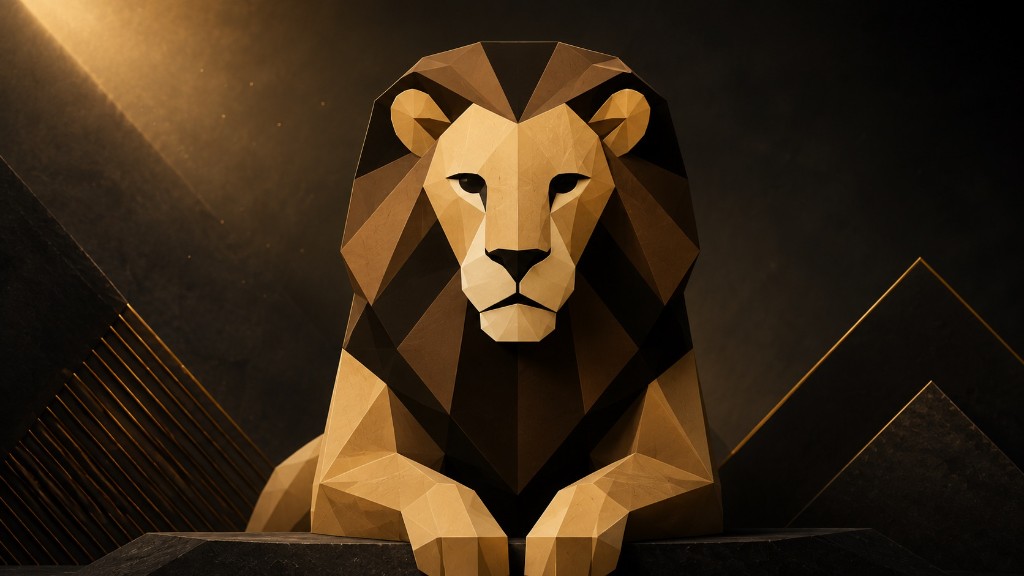
The Lion
The Lion brings:
- leadership,
- direction,
- a vision of power,
- decision-making ability.
The Ram brings:
- intensity,
- execution,
- offensive energy,
- a move into action.
This combination can become extremely powerful:
- the Lion sets the goal,
- the Ram accelerates execution.
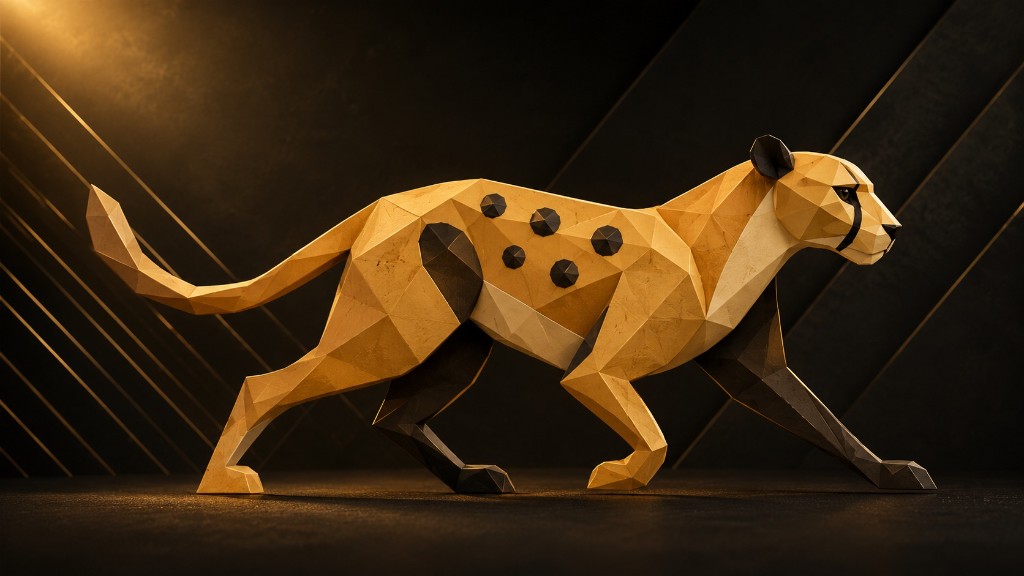
The Cheetah
The Cheetah brings:
- adaptability,
- mental speed,
- flexibility,
- operational creativity.
The Ram brings:
- power of action,
- commitment,
- intensity.
This combination works particularly well in:
- startups,
- competitive environments,
- business development,
- acceleration phases.
The Dolphin
The Dolphin brings:
- relational fluidity,
- empathy,
- human cohesion.
The Ram brings:
- energy,
- momentum,
- decision-making ability.
The Dolphin often helps the Ram to better manage the human impact of their intensity.
The natural tensions with the Ram
The Owl
The Owl values:
- analysis,
- caution,
- logic,
- risk control.
The Ram values:
- action,
- speed,
- immediate commitment,
- movement.
The Owl may see the Ram as impulsive.
The Ram may see the Owl as excessively slow or cautious.
This opposition becomes particularly visible in environments under pressure.
The Bee
The Bee seeks:
- stability,
- method,
- rigour,
- reliable execution.
The Ram prefers to:
- move quickly,
- take risks,
- act fast,
- bypass certain frameworks.
The Bee may see the Ram as disorganised.
The Ram may see the Bee as too rigid or too slow.
Yet these profiles often become highly complementary once their differences are understood:
- the Ram creates the movement,
- the Bee secures the execution.
The environments where the Ram excels
The Ram is often very effective in:
- entrepreneurship,
- sales,
- business development,
- competitive environments,
- high-growth contexts,
- crisis situations,
- roles that require speed and commitment.
Conversely, they may struggle more in:
- highly procedural environments,
- repetitive roles,
- very hierarchical structures,
- slow or heavily political organisations.
Key takeaways
The Ram is not a profile of caution.
It is a profile of conquest.
Where some hesitate, the Ram moves forward.
Where some analyse, the Ram acts.
Where some play it safe, the Ram creates the movement.
In an economic environment where speed of execution is becoming a major competitive advantage, the Ram can become a formidable accelerator of performance, provided they are properly framed and positioned.
About the T8 method
The T8 method was created by Tennessee Veldeman.
It distinguishes several complementary dimensions of how people function:
- behaviour,
- communication styles,
- psychological drivers,
- relational dynamics.
The aim is not to put people into boxes, but to better understand natural differences in how they function in order to improve:
- management,
- recruitment,
- communication,
- collective performance.
T8 is today the official distributor of the T8 method.